Recognizing When Teen Trauma Needs Residential Care, Not Discipline
Teenager
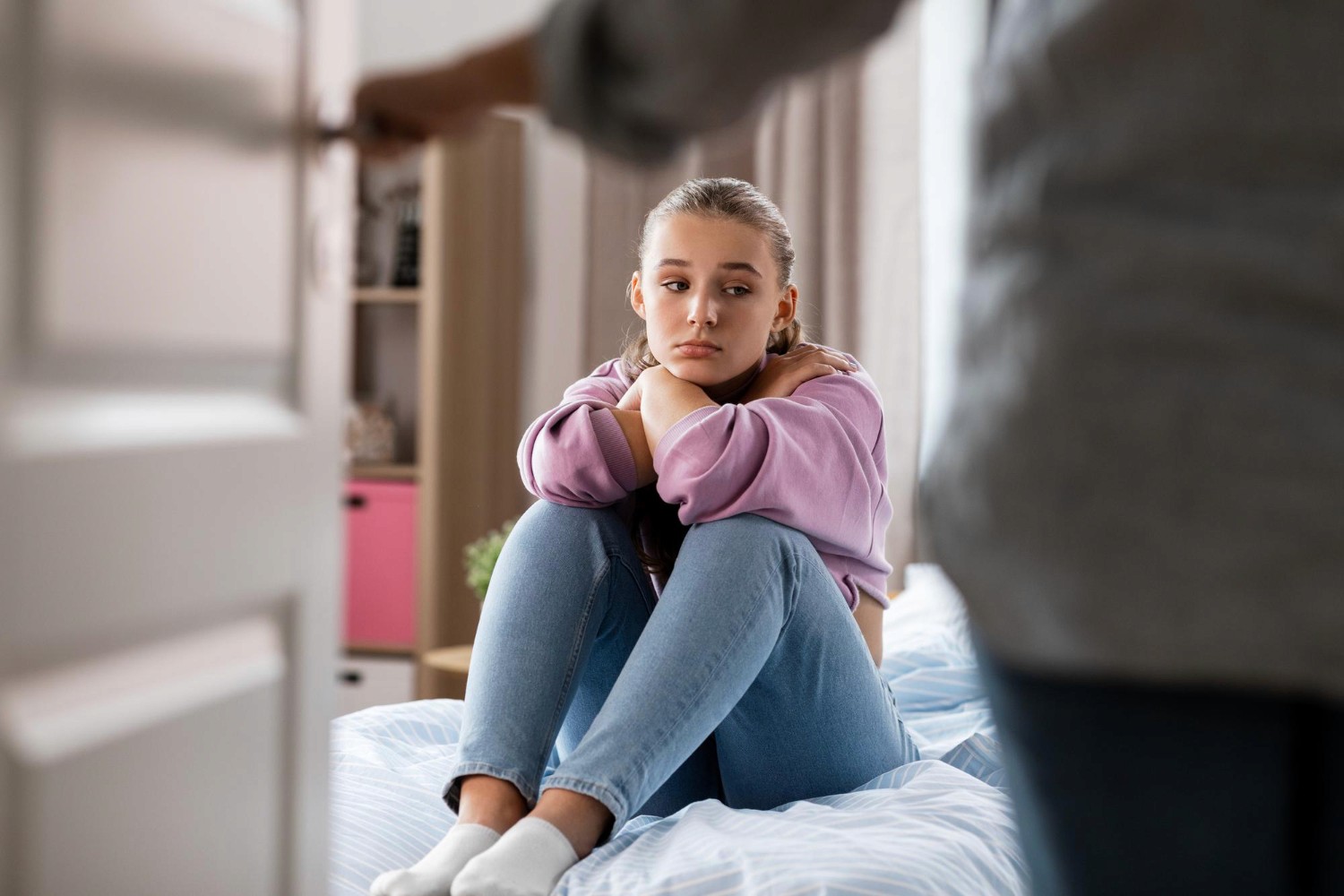
When Consequences Stop Working and Your Teen Is Still Hurting
Sometimes it feels like every week you are taking something else away from your teen. First the phone, then time with friends, then the car, then later curfews. For a few days things calm down, then the yelling, shut doors, or scary behaviors start again. You keep raising the stakes, but nothing really changes.
At that point, it is easy to wonder if you are doing something wrong or if your teen is just being dramatic or defiant. Some attitude and rule testing are normal in adolescence, but when your teen is carrying deep emotional pain from trauma, simple discipline is not enough. Their nervous system is on high alert, and consequences alone cannot fix that.
For some families, this is when a higher level of support becomes important. A trauma-focused residential treatment center for teens is not about giving up on your child. It is about giving them care, structure, and therapy that go beyond what any loving parent can reasonably provide at home, while still keeping them on track with school.
Trauma Looks Different From Typical Teen Attitude
Trauma does not always look like what we see in movies. Many teens who have gone through adverse childhood experiences do not talk about it. Instead, it shows up in their behavior and mood, especially around times of change like the end of the school year and the start of summer.
You might notice things like:
Chronic irritability that feels like they are always on edge
Emotional numbness, where they seem checked out or “cold”
Sudden explosive reactions that seem way too big for the situation
These shifts can be confusing. It can look like your teen is being rude or lazy when, inside, their body and brain are reacting to old pain. Signs that point more to trauma than simple defiance can include:
Intense startle responses to sounds, touch, or raised voices
Nightmares, difficulty falling asleep, or staying up all night
Intrusive memories or “spacing out” when something reminds them of the past
Harsh self-blame, even for small mistakes
Extreme responses to reminders of past events, like certain places or times of year
Many trauma-affected teens feel ashamed and out of control. They may tell you they want to do better, then repeat the same behaviors. More punishment can make them feel even more unsafe inside, which can increase outbursts, withdrawals, or risky choices instead of helping them change.
When Discipline Becomes a Warning Sign, Not a Solution
Discipline is meant to teach, not just to control. When consequences stop teaching and only lead to more conflict, that is a warning sign, not proof that your teen does not care.
You may notice patterns like:
A cycle of “crack down, brief improvement, then worse behavior”
Lying, sneaking, or hiding things mainly to avoid getting in trouble
Your teen pulling away from the whole family, spending almost all their time alone
There are also red-flag behaviors that suggest your child may need the structure and safety of a residential treatment center for teens, rather than just stricter rules at home. These can include:
Self-harm, such as cutting or burning
Talking about wanting to die, or making suicidal threats
Dangerous risk-taking like unsafe driving or unprotected sex
Running away, frequently leaving without telling you where they are
Escalating substance use to cope with feelings
School can give important clues too. Repeated suspensions, failing grades, or frequent absences, especially in certain classes or social situations, can be signs of a trauma response. Your teen might shut down in environments that remind them of past events or where they feel judged or unsafe. Punishing them more for skipping or acting out often misses the deeper problem and can make them feel even less capable.
How Residential Treatment Helps Teens Heal and Learn
When home, school, and outpatient support are not enough, residential care offers a different kind of setting. At a trauma-focused residential treatment center for teens, your child lives in a structured, supportive environment while receiving targeted therapy for their past experiences.
Core pieces usually include:
24/7 supervision and support staff
Licensed therapists trained in trauma work
Structured daily routines for sleep, meals, school, and activities
Evidence-based therapies that help teens process and manage trauma
Havenwood Academy, located in Utah, combines this therapeutic work with a fully integrated school setting. Teens can:
Earn academic credits and keep working toward graduation
Repair their relationship with learning after school struggles
Receive academic supports and adjustments while stabilizing emotionally
This is especially helpful around big school transitions, like finishing a rough semester or heading into a new one, when stress can spike. A safe, contained campus gives teens a place to practice new coping skills without the constant triggers and pressures of their usual environment.
In residential treatment, teens spend time in individual, group, and family therapy. They build trust with safe adults and peers who understand what it is like to carry heavy emotional pain. Over time, they learn to name feelings, ask for help, and make safer choices, all while staying connected to their education.
Deciding If Now Is the Right Time to Seek Residential Care
Choosing residential care is a big decision. It helps to step back and ask some practical questions:
Is my teen’s safety, or someone else’s, at real risk?
Has weekly outpatient therapy, or even more intensive care, stopped helping?
Is school completely overwhelming, with no sign of steady improvement?
Is home life so strained that everyone is constantly in crisis, despite our best efforts?
When the answer to several of these is “yes,” it may be time to look at a residential treatment center for teens. A reputable program will not apply one-size-fits-all rules. At Havenwood Academy, we focus on thorough assessments, collaboration with families, and individualized treatment plans that take each teen’s history, strengths, and needs into account.
It is normal to worry that sending your child to residential care is too extreme, or that it means you failed as a parent. Many caregivers fear their relationship with their teen will be damaged. In reality, choosing specialized care is often an act of deep protection and love. It can give everyone space to breathe, heal, and learn new ways to connect, so your teen can return home stronger, more stable, and ready to rebuild family bonds.
Take The Next Step Toward Healing For Your Teen
If your family is navigating serious emotional or behavioral challenges, we invite you to explore how our residential treatment center for teens can help your child build real, lasting change. At Havenwood Academy, we combine evidence-based therapy with a safe, structured environment tailored to each teen’s needs. We are here to answer your questions, discuss options, and support you through every step of the decision-making process. Reach out today through our contact page to talk with a member of our team.
