When to Seek Childhood Trauma Treatment for Your Teen
Teenager
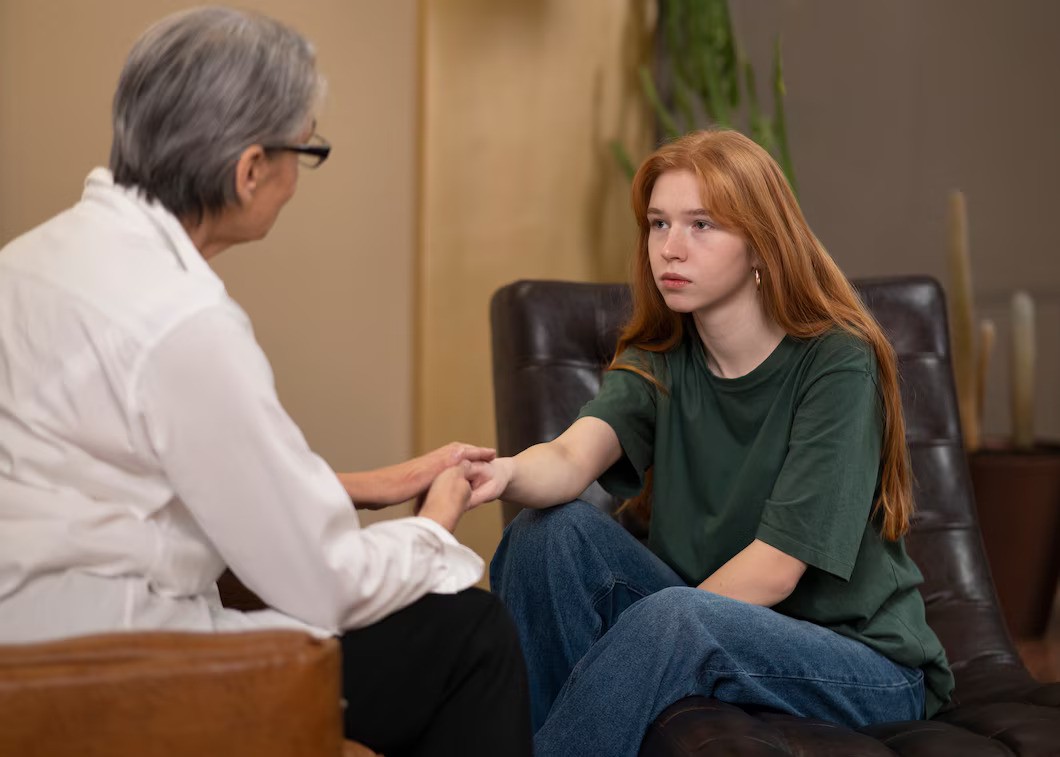
As parents, we all run into moments where we wonder if what our teen is going through is just part of growing up or something more. Sometimes it looks like sadness that doesn’t lift, or anger that shows up without warning. If your teen has lived through something hard, like a major loss or a traumatic event, it’s common to wonder when it’s time to look for help.
Winter can make these questions feel more urgent. With shorter days and colder weather, emotions that may have been quiet during summer can surface more often. It's a season that can hold both reflection and heaviness, which makes it a good time to talk about childhood trauma treatment. Knowing when to take the next step can be a turning point for your family.
Signs Your Teen May Be Hurting More Than They Say
Teens don’t always speak up when they're struggling, especially if they aren’t sure why they feel off. Instead of talking about it, they might act differently or pull away without explanation. These changes can be easy to miss at first, but over time, patterns start to form.
Some signs to watch for include:
Sudden changes in sleep, appetite, or mood
Pulling back from people they used to spend time with
Frequent anger, fear, or sadness that doesn’t go away
Sometimes these signs come in waves. Other times, they settle into daily life so gradually that they don’t stand out right away. If the behavior feels out of sync with who your teen usually is, it may be worth paying closer attention.
Why Timing Matters During the Winter Season
We tend to slow down during winter, and that pace can reveal struggles that were easier to brush off during busy months. Many teens use school and activities as distractions, but once winter arrives, things quiet down. That’s when underlying emotions can start showing up more clearly.
Here are a few reasons winter becomes a meaningful time to notice changes:
Shorter days and less sunlight can impact mood and energy
Winter break gives families more unstructured time together
The start of a new year offers a natural chance to reset routines
For teens dealing with past trauma, this time of year may stir things up. While that can feel scary, it can also create space for growth if the right support is in place.
How Trauma Shows Up Differently in Teens
Teens don’t always have the words for what they’re feeling, especially when it comes to trauma. They might avoid talking about painful events altogether, or they may not even realize how those experiences are still affecting them. Instead, their pain often shows up in other ways.
Here are some ways trauma might appear:
Chronic anxiety or feeling “on edge” for no clear reason
Risky behavior that seems out of character
Losing interest in school or hobbies they once enjoyed
Physical pain, like headaches or stomachaches, with no medical cause
These signs don’t always appear at the same time, and they can look different from one teen to another. What matters is the pattern and the impact. If something feels off for a while and nothing seems to help, childhood trauma treatment could offer a more steady kind of support.
What Professional Childhood Trauma Treatment Can Look Like
Every teen’s story is different, so their care should match their needs. Professional treatment for trauma isn’t just about sitting in a room and talking (though that can help). It’s about creating a sense of safety, choice, and connection so healing feels possible.
Some of the key parts of this kind of care include:
Therapies that build trust, using tools like talk, art, or movement
Calm, consistent daily routines that feel predictable and safe
Adults who listen with patience and understand trauma-based behaviors
At Havenwood Academy, we specialize in trauma-informed residential care for young women ages 12-18, blending evidence-based therapies like DBT, expressive arts, and individualized education. Our licensed staff integrates clinical care, academics, and family support in a secure, nurturing setting.
Feeling supported and not judged can give teens space to explore what they’re carrying. It also speaks to their need for more than just coping, they need real healing in a space that offers it every day.
How to Know When More Support Is Needed
There’s no clear marker that says, “It’s time now.” But many families reach a point where what they’re doing just isn’t working anymore. The usual supports, weekly therapy, check-ins, rest, might not feel like enough, and things may still be heading in the wrong direction.
Here are signs that more structured help may be needed:
Progress in therapy has stalled or gone backward
School, home life, or friendships feel harder than usual, every day
You’re worried about your teen’s safety or emotional stability
When these issues stick around or keep growing, it’s okay to explore something more supportive. It’s not a sign of failure, it’s a step toward giving your teen a chance to feel safe again.
A Path Toward Feeling Safe Again
Taking that next step toward treatment can bring up mixed feelings. It might feel like a big decision, and that’s because it is. But it’s also one that can bring comfort. When teens have a space that is built to hold their pain and teach them how to move forward, change does happen.
Your teen isn’t broken. They’re hurting, and that hurt deserves more than just waiting to pass. Healing from trauma takes time, care, and safety. With the right kind of help in the right place, healing becomes something we can work toward, even during the coldest months.
Noticing your teen struggling during the winter months in Cedar City, Utah, can be a sign to explore whether more support might help. At Havenwood Academy, our approach blends structure, calm, and connection, key elements of meaningful childhood trauma treatment. Reach out today and let’s start a conversation about the next steps for your family.
