Why Your Teen’s Trauma Recovery May Need a Residential Therapeutic School
Teenager
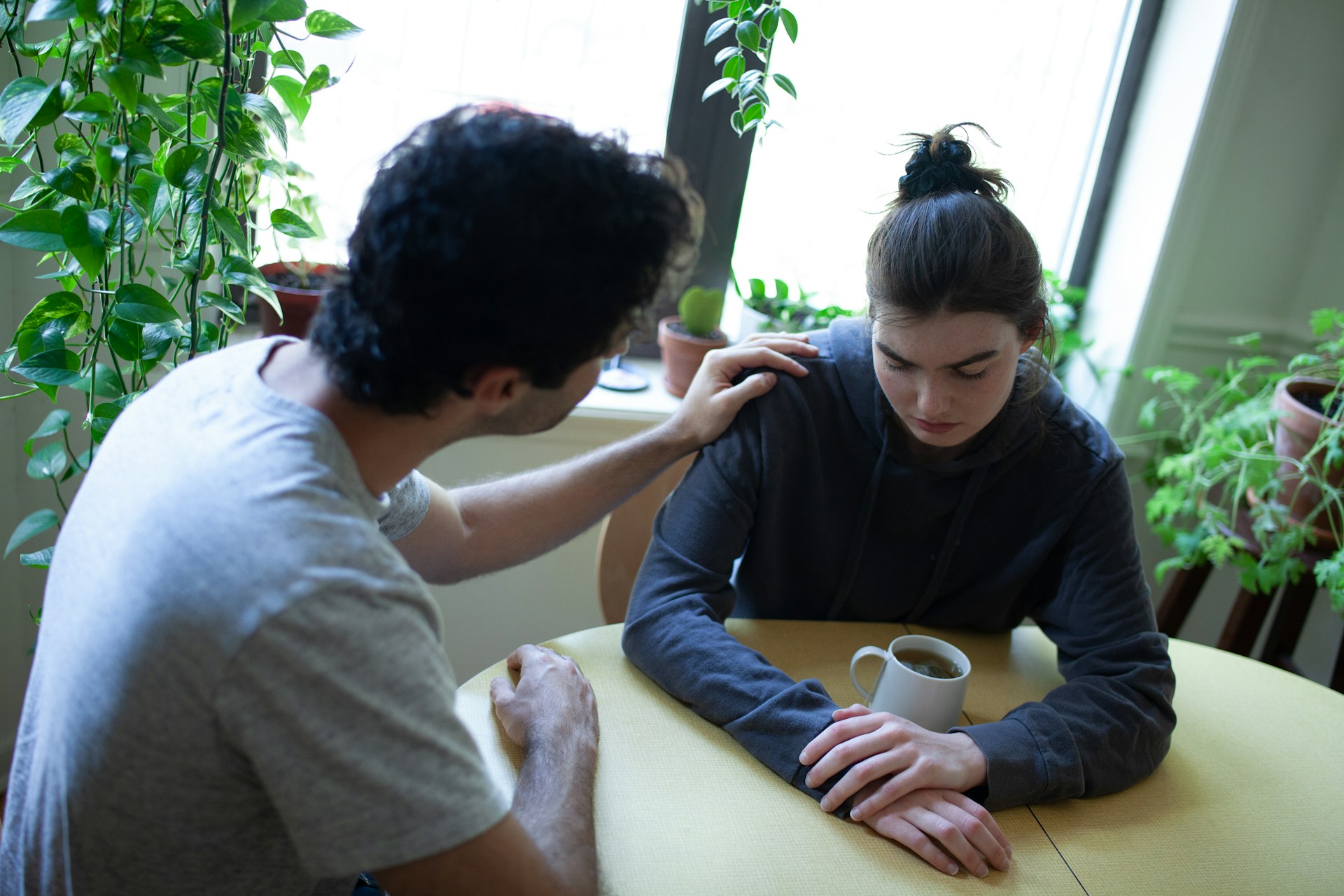
When Healing at Home Is No Longer Enough
Parents can work incredibly hard to support a hurting teen. You sit through therapy sessions, try new routines, watch medications get adjusted, and still see your child lost in anxiety, depression, self-harm, or emotional shutdown. After months or years of effort, it can feel like nothing is truly changing where it counts.
For many teens with Adverse Childhood Experiences, also called ACEs, or complex trauma, symptoms can grow stronger in adolescence. Big changes in school, social pressure, and more adult responsibilities can stir up old wounds. Winter can be especially hard, with shorter days, busy family schedules, and higher academic stress. At some point, home and weekly appointments may no longer give the safety and structure your teen needs to heal.
This is where a residential therapeutic school can make sense. Some teens need 24/7 support, a safe and predictable setting, and constant access to trauma-informed care to stabilize, heal, and rediscover hope for the future.
How Trauma Shows Up Beyond “Typical” Teen Moodiness
Teens do have ups and downs. That part can be normal. But trauma can show up in deeper, more intense ways that are not just “teen attitude.”
Parents may notice things like:
Extreme mood swings that seem sudden or out of proportion
Strong withdrawal from friends and family
Panic attacks or intense anxiety that stop daily life
Refusal or inability to attend school
Major changes in sleep or eating
Risky behavior, self-harm, or talk of not wanting to live
Unresolved trauma affects the brain’s stress system, emotion control, and sense of safety. When a teen has lived through abuse, neglect, loss, or ongoing conflict, their body can stay on high alert. School hallways, group projects, even normal family arguments may feel unsafe. Traditional school can start to feel impossible, and home can turn into a battlefield instead of a place to rest.
It helps to ask: Is my teen having typical teen struggles, like mild mood changes and some conflict, but still moving forward? Or are they:
Getting worse despite treatment?
Unable to manage daily tasks like waking up, going to class, or bathing?
Locked in patterns that feel scary or dangerous?
If you see several of these red flags, it might be time to look at a more contained healing setting.
Why a Residential Therapeutic School Can Be a Turning Point
A residential therapeutic school is a live-in program designed for teens who need more than outpatient care. It blends:
A structured, home-like living environment
Ongoing clinical and trauma-informed support
Accredited academics
Daily practice of coping and relationship skills
Compared to standard outpatient therapy, a residential therapeutic school offers:
24/7 supervision so your teen is not left alone with unsafe impulses
Regular access to therapists and support staff, not just once a week
Skill-building right in the moment, during real-life conflicts and stress
Space away from harmful peer groups, social media patterns, or environments that keep the trauma cycle going
The heart of this kind of school is relationship-centered care and emotional safety. Teens are surrounded by stable adults who care about them, hold kind limits, and stay consistent. Predictable routines, daily check-ins, and a community of peers on a similar path give teens a place to try new behaviors without fear of judgment. Over time, this can rebuild trust and help them believe that safe, healthy relationships are possible.
Inside a Trauma-Informed Residential Therapeutic School
Parents often ask what life actually looks like in a trauma-informed school setting. While every program is different, many days include:
Individual therapy focused on trauma, coping tools, and personal goals
Group therapy for social skills, emotional awareness, and peer support
Family sessions to work on communication and repair at home
Academic classes with teachers who understand emotional and learning needs
Structured recreation and life-skills activities
Trauma-specific approaches might include methods such as EMDR, DBT skills, and attachment-based therapy, used in ways that match each teen’s readiness. The goal is to help them touch painful memories and patterns without being overwhelmed by them. Staff focus on grounding, calming the body, naming emotions, and building safe connections before asking teens to talk about the hardest parts of their story.
The academic side is just as important. Teens need to heal without losing their future. A trauma-informed school usually offers:
Small class sizes and more one-on-one support
Personalized learning plans that respect emotional limits
Help with credit recovery when school refusal or hospitalizations have caused gaps
This balance lets teens work on both healing and progress toward graduation at the same time.
How Havenwood Academy Supports Lasting Recovery
Havenwood Academy is a residential therapeutic school in Utah for teen girls, with a related program for teen boys. Our focus is trauma-informed care for young people who have experienced ACEs and complex trauma, and who need a safe, structured environment to start feeling stable again.
Our model centers on relationships. We believe healing happens when teens feel seen, respected, and understood. At Havenwood Academy, students spend their days with therapists, teachers, and mentors who are trained to recognize how trauma shows up, and who respond with both compassion and clear boundaries. We work to create a place where teens can:
Feel physically and emotionally safe
Practice new skills in real time
Learn to trust healthy adults and peers
Build confidence through school, activities, and personal goals
Our clinical team includes licensed professionals who use evidence-based therapies along with daily support from residential staff. The setting itself is safe and structured, with consistent routines that lower stress and make expectations clear. We also work carefully on step-down planning so that when a student is ready, they have support for returning home, attending local school, and staying connected in their community.
Signs Your Teen May Need More Than Outpatient Care
Deciding that home and weekly therapy are no longer enough is painful. Parents often worry that choosing a residential therapeutic school means they have failed. In truth, it is often the opposite: a sign that you are willing to seek the level of care your teen truly needs.
Some signs that a higher level of support may be helpful include:
Repeated crises, ER visits, or short hospital stays with little lasting change
Escalating self-harm, suicidal thoughts, or unsafe behavior
Total school refusal or an inability to function in a regular classroom, even with support
Aggression, running away, or other behaviors that make home unsafe for them or others
Outpatient therapy, medication, and local resources not making things better over time
Winter can be an inflection point. Grades are pressing, friendships may feel fragile, and seasonal mood changes can hit hard. If you see things getting worse and feel tempted to “wait it out,” it may be time to ask whether more structured help could prevent a deeper crisis later.
Trust your sense of your child. You know when something is seriously wrong. A residential therapeutic school is not a last-resort punishment; it is an intensive, specialized tool for teens who cannot get what they need from home and local services alone.
Help Your Teen Take the Next Step Toward Healing
If your family is exploring options for a safe, structured place where your teen can heal and grow, we invite you to discover our residential therapeutic school. At Havenwood Academy, we combine clinical support, academics, and a nurturing community so students can rebuild confidence and direction. We are here to answer your questions, talk through your teen’s needs, and help you decide if our approach is the right fit. Reach out anytime!
