Relational Trauma Therapy in Youth Residential Treatment
Teenager
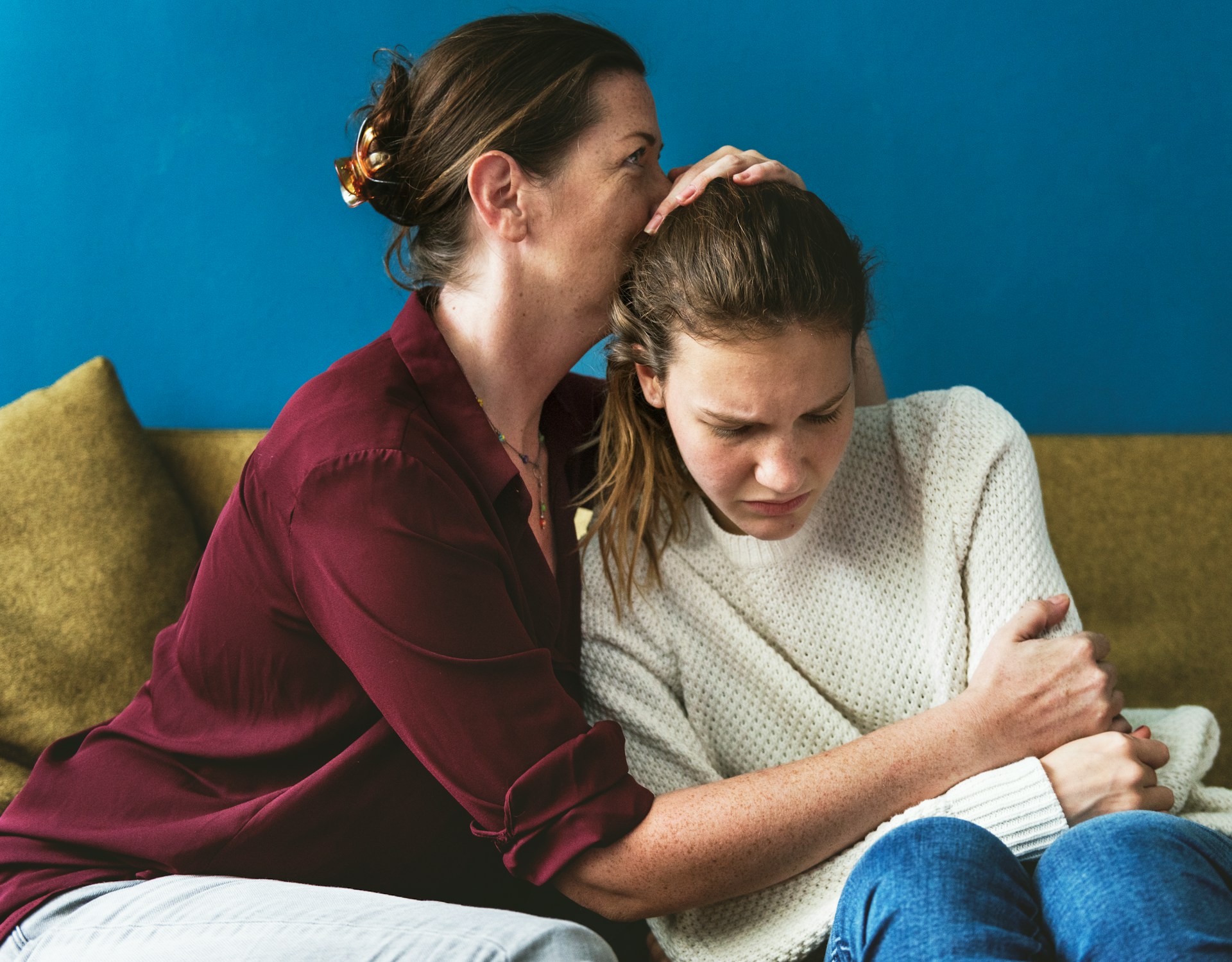
How Relational Trauma Therapy Transforms Teen Healing
Relational trauma therapy gives hurting teens something many of them have never really had before: safe, steady relationships they can count on. For girls and young women who have lived through early hurt, chaos at home, or broken trust, this kind of care can bring real hope and change.
Relational trauma comes from attachment wounds, chronic family conflict, neglect, or inconsistent caregiving. It often shows up in teen girls as big emotional reactions, pulling away from loved ones, or clinging to unhealthy relationships. As spring brings school deadlines, social changes, and family plans for summer, many teens feel more pressure. Old hurts can rise to the surface and show up as behavior that looks confusing or upsetting from the outside.
Relational trauma therapy focuses on healing through connection instead of just trying to stop specific behaviors. In youth residential treatment, this approach can help teens rebuild trust, feel safer in their own bodies, and begin to believe they are worth care and respect.
Understanding Relational Trauma in Adolescence
When a child grows up with instability or emotional harm, it does not just sit in their memory. It affects how their brain and nervous system develop. Teens who have experienced early trauma may live in a constant state of “high alert,” even when they are technically safe.
This can impact:
Emotional regulation, such as calming down after getting upset
Attention and learning, which affects school performance
Relationships, including how they view adults and peers
Sense of self, including shame, self-blame, or feeling “too much”
Families may notice things like:
Intense mood swings that seem to come out of nowhere
Withdrawal from friends and family or long hours alone
Angry outbursts, oppositional behavior, or constant arguing
Self-harm or talk that hints at hopelessness
Risky friendships, dating relationships, or online behavior
A sudden drop in grades or skipping school
Strong difficulty trusting or accepting help from adults
As the school year ramps up with projects, exams, and social shifts, stress is higher for many teens. When adults see only “attitude” or “defiance,” they might miss the deeper story. A trauma-aware assessment looks at what happened to a teen, not just what they are doing. That step is key before choosing any treatment plan.
What Makes Relational Trauma Therapy Different
Relational trauma therapy is not just about talking through problems once a week. It focuses on healing inside safe, consistent, and attuned relationships. The relationship with the therapist, mentors, and caregivers becomes the main tool for change.
Traditional talk therapy can be helpful, but it may miss how trauma lives in the body and nervous system. Many teens cannot easily explain what they feel, or they shut down when asked direct questions. They might say “I’m fine” while their body is telling a different story.
Relational trauma therapy often includes:
Co-regulation, where a calm, caring adult helps a teen move from high distress back to a safer state
Experiential work, such as art, movement, or outdoor activities that help teens feel and express, not just think and talk
Clear validation of the teen’s lived experience, so they feel believed instead of blamed
Repairing relational ruptures in real time, like coming back after conflict, apologizing, and rebuilding trust
In this model, conflict or shut-down moments are not failures. They are opportunities to show a teen that a relationship can bend without breaking.
How Residential Treatment Supports Relational Healing
A youth residential treatment center can give a level of stability that is hard to create at home during a crisis. For teens with relational trauma, that steady setting can be especially powerful.
Residential treatment offers:
24/7 consistency, with trained adults available around the clock
Predictable routines that help the nervous system settle
A home-like environment instead of a cold, clinical feel
Small, stable groups and a high staff-to-student ratio make it easier to build trust. For girls and young women who have been hurt or let down by adults, having multiple caring adults show up day after day, slowly changes what they expect from relationships.
Therapeutic care is woven into:
Academics, so learning happens in a supportive, trauma-aware classroom
Life skills, like daily chores, time management, and personal care
Healthy recreation, with safe chances to try new things, practice teamwork, and enjoy being a teen
This mix helps teens practice new relational skills in real, everyday situations, not just in a therapy office.
Inside a Trauma-Focused Residential Program for Girls
In a trauma-focused, relationship-centered program, the whole day is shaped with healing in mind. At Havenwood Academy in Utah, care for adolescent girls and young women brings together therapy, school, and daily living in a safe, structured space.
A typical day might include:
Morning routines that build independence and predictability
School in small classes that understand trauma-related learning needs
Individual therapy sessions to process trauma at the teen’s pace
Group therapy to learn skills and share with peers
Family-style meals that encourage connection and healthy habits
Structured free time for hobbies, movement, and rest
Relational trauma therapy often pairs well with evidence-based approaches such as EMDR, DBT skills, attachment-focused therapy, and experiential methods like art or recreation. These tools help teens process memories, build coping skills, and find new ways to relate to themselves and others.
Therapists, mentors, teachers, and residential staff all play a part in healing. They model:
Healthy boundaries that are clear and kind
Emotional regulation, like staying calm during conflict
Dependable care, showing that they mean what they say and keep their word
Over time, many girls begin to test less and trust more, because the people around them keep showing up in safe and predictable ways.
Partnering with Families for Lasting Change
Relational trauma therapy cannot stop at the doors of a program. For change to last, families need support, tools, and time to grow too.
Strong residential programs often include:
Family therapy to address patterns, repair trust, and build new ways of talking
Parent coaching to help caregivers learn trauma-aware parenting and co-regulation
Education about trauma, attachment, and nervous system regulation
As seasons shift and transitions come, like the end of school or the start of summer, these skills help families stay connected even when stress rises. Together, they can create plans for:
Safety and crisis response at home
Ongoing outpatient therapy and support groups
School collaboration, so teachers understand the teen’s needs
Daily check-ins and simple, connection-based communication routines
At Havenwood Academy, we see family work as core to what we do, not an add-on. Healing relational trauma means building safer relationships not only in treatment, but back home and in the wider world.
Take the Next Step Toward Healing and Connection
If your family is ready to address the impact of trauma on your teen’s relationships, we are here to help. At Havenwood Academy, our integrated approach to relational trauma therapy is designed to rebuild trust, emotional safety, and healthier patterns at home. We will partner with you to understand your teen’s unique needs and create a compassionate, structured path forward. To talk with our team about whether our program is the right fit, please contact us today.
